Collective Construction & Design
Not Every Website Problem Is a Website Problem
What appeared to be a typical redesign project became an exercise in preserving decades of work while creating a practical path forward.
A referral connection brought Eloise Kubli of Collective Construction & Design to Awve Marketing with what appeared to be a typical website redesign project.
The goal was straightforward: create a more refined digital experience that reflected the caliber of Eloise Kubli’s work and more than forty years of interior design expertise.
At first glance, the assignment seemed relatively simple. The existing website looked dated, and the objective was to create a more modern, editorial presentation of the firm’s portfolio while preserving the character and reputation that had been built over decades.
We agreed on a budget and scope, but once we rolled up our sleeves and began evaluating the existing website, it became clear that this was not a typical redesign project.
The Challenge
What appeared on the surface to be an outdated website was actually the digital record of decades of work.
Over nearly twenty years, the site had evolved into an extensive archive containing project photography, design narratives, portfolio entries, and supporting content documenting a significant portion of the firm’s history. Thousands of images and years of project information were embedded within a website structure built long before modern content management systems became standard.
The challenge wasn’t simply modernizing the website. Nearly everything Eloise wanted to preserve was tied to an aging platform that could not be cleanly transferred into a modern website.
A complete migration would have required rebuilding years of content, reorganizing project information, reprocessing images, and recreating large portions of the portfolio by hand. The time and cost required to fully reconstruct nearly two decades of digital assets would have been substantial.
At the same time, abandoning the archive was not a viable option. The website represented years of work, project history, and intellectual property that continued to hold value for the firm.
As the true scope of the archive became clear, the project required a different approach. The challenge was finding a way to preserve decades of work, respect the realities of the project budget, and create a platform capable of supporting the firm’s future growth.
The goal wasn’t simply to modernize a website.
It was to preserve forty years of work
without rebuilding twenty years of content.
The Strategy
As the project evolved, it became clear that a full migration would require substantially more time and investment than originally anticipated. Rather than forcing an expensive reconstruction of nearly twenty years of content, we worked with the client to develop a strategy that preserved the firm’s history while creating a more practical path forward.
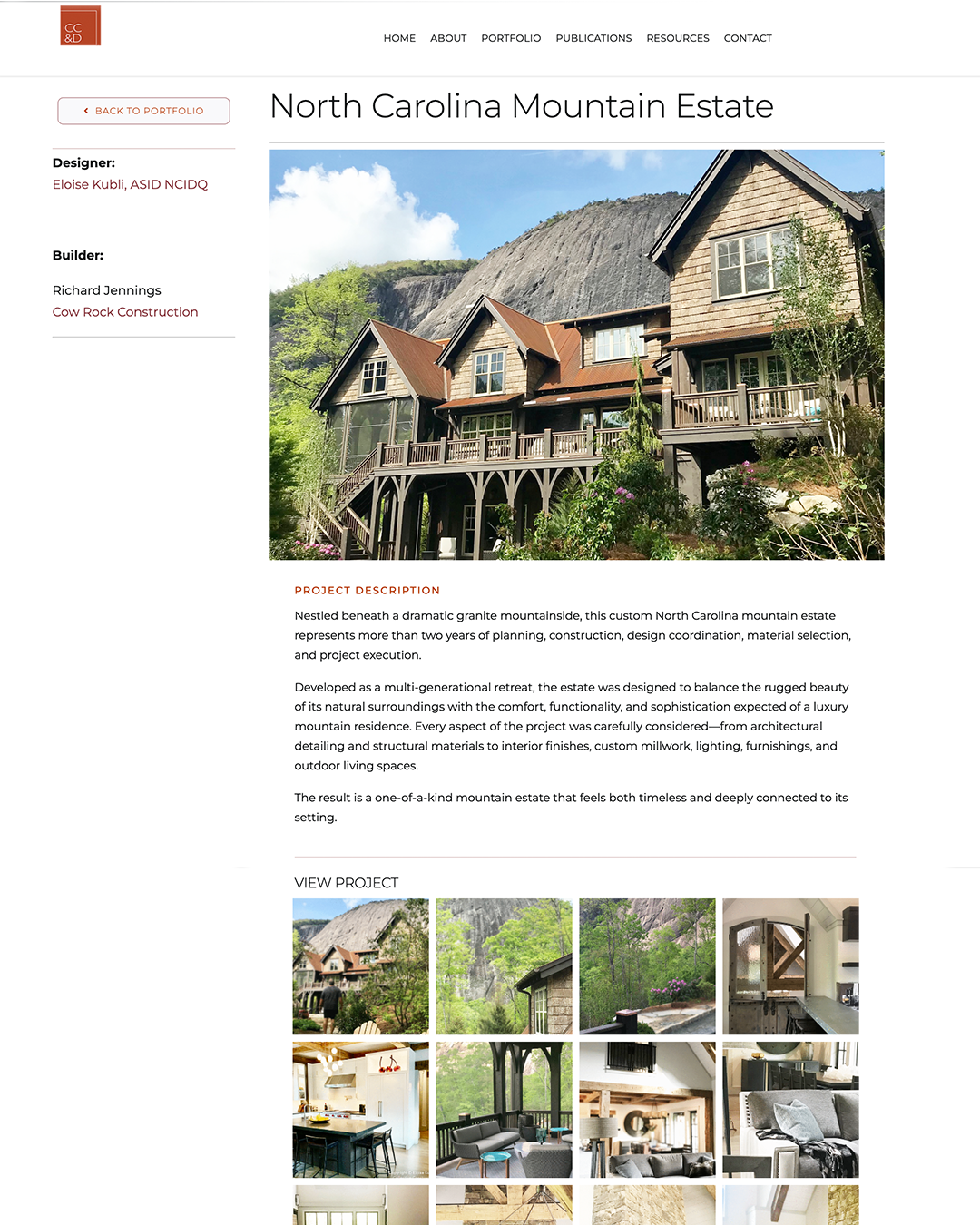
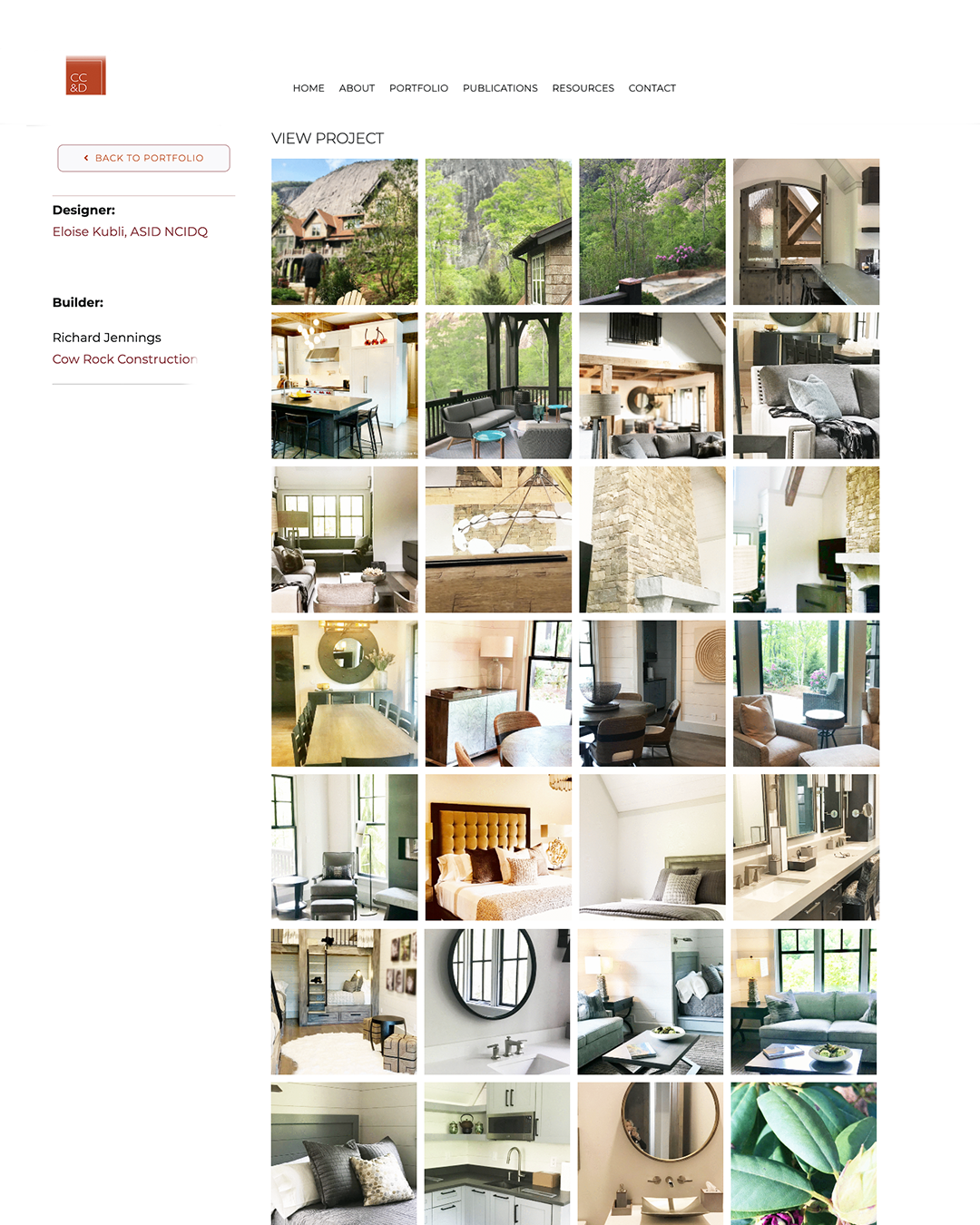
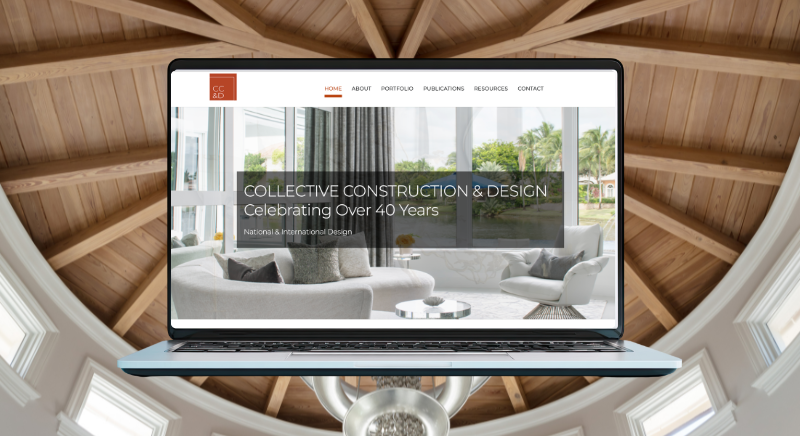
A new website was created to serve as the firm’s primary digital presence, showcasing a curated selection of projects while establishing a modern foundation for future growth.
At the same time, the original website was preserved as a digital archive and assigned its own domain. This approach allowed decades of portfolio content to remain accessible without requiring the cost and complexity of a complete migration.
The primary domain was redirected to the new website, creating a cleaner, more intentional experience for visitors while preserving access to historical content through the archive.
Rather than hiding the archive, it was intentionally integrated into the new website experience through a “40+ Years of Archives” navigation link. This allows visitors to explore the depth of the firm’s portfolio and project history while keeping the primary website focused on a curated selection of featured work.
This strategy allowed us to:
- Preserve nearly twenty years of project content and photography
- Protect a significant body of work developed over a forty-year career
- Improve the user experience for prospective clients
- Create a scalable platform for future growth
- Continue migrating selected projects over time
- Avoid the cost and disruption of a complete portfolio reconstruction
The Transformation
One of the primary objectives was to elevate the presentation of the firm’s work online.
The original website functioned primarily as a portfolio archive.
The new website was designed to function as a curated showcase.
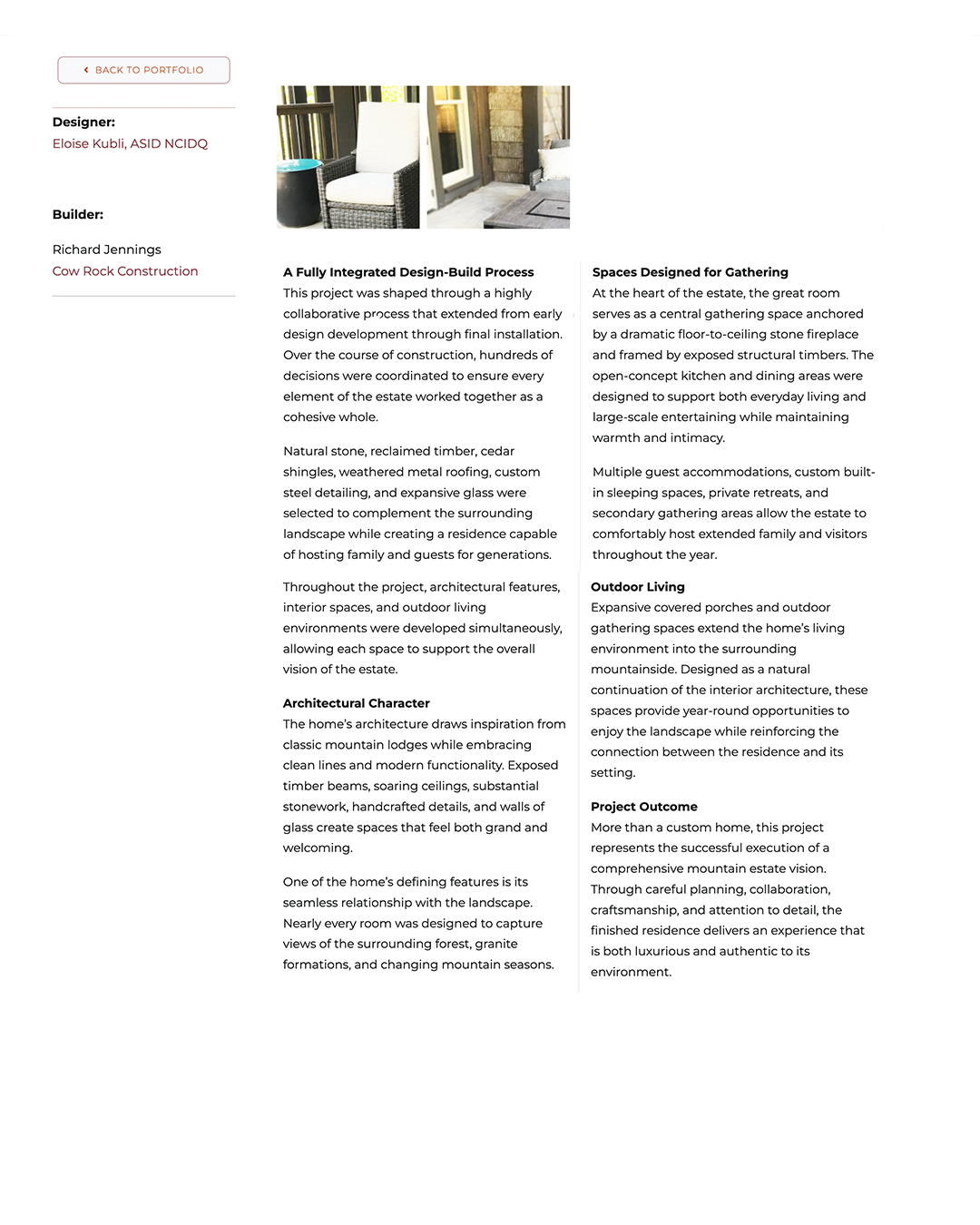
Rather than asking visitors to sort through years of accumulated content, the new platform highlights selected projects through a more editorial presentation. Photography has room to breathe. Project narratives provide context. Individual projects can be featured in a way that better reflects the creativity, craftsmanship, and attention to detail behind the work.
The goal was not simply to modernize the website. It was to create a digital experience that felt more aligned with the sophistication of the firm’s portfolio.
The result is a website that better reflects the quality of the work itself.
Ongoing Content Development
The project did not end at launch.
Rather than requiring the client to absorb the cost of rebuilding nearly twenty years of content all at once, the new website was designed to support a phased content migration strategy.
By preserving the original website as an archive, projects could be selectively brought forward and rebuilt within the new platform over time. This approach allowed the firm’s most relevant and visually compelling work to be showcased immediately while creating a more economical path for expanding the portfolio in the future.
Today, new projects and selected archival projects continue to be incorporated into the website, allowing the portfolio to evolve organically without the expense and disruption of a complete reconstruction.
Results
The project successfully transformed an aging portfolio archive into a modern, scalable digital platform while preserving a significant body of work developed over more than forty years in business.
Most importantly, the website now reflects the level of sophistication, craftsmanship, and design excellence that have defined Collective Construction & Design throughout its history.
What began as a website update ultimately became a preservation strategy—one that protects the firm’s legacy while creating a stronger foundation for the future.
Key Takeaway
Not every project should be solved the way it was originally scoped.
What began as a website redesign became an exercise in stewardship. By separating the firm’s historical portfolio from its active marketing platform, we were able to preserve decades of work while creating a more effective experience for future clients.
Sometimes the best solution is not starting over. Sometimes it is finding a way to honor the past while building for what comes next.

Services Provided
- Website Strategy
- Content Architecture
- Legacy Content Preservation
- Portfolio Migration Planning
- Website Design & Development
- User Experience Planning
- Search Visibility Preservation
- Ongoing Portfolio Development